
Smart Built-Ins on a Budget

Today we dive into low-cost materials for custom built-ins—plywood, MDF, and practical alternatives—so you can create durable storage, seating, and shelving without overspending. We will compare strengths, finishes, sources, and build techniques, share cautionary lessons from real workshops and apartments, and offer planning checklists. Bring measurements, sketches, and questions, and let’s turn economical sheet goods into refined pieces that feel tailored, endure family life, and look proud in any room.
Material Overview Without the Mystery
Understanding what is inside a sheet matters more than the sticker price. Distinguish veneer-core plywood from MDF-core, learn how face veneers hide or telegraph defects, and see why MDF paints like a dream yet dislikes moisture. We’ll outline where each material shines in built-ins, what to avoid, and why pairing budget cores with thoughtful design details often beats buying premium by default.
Plywood Basics That Matter
Not all plywood is equal. Veneer-core panels resist sag, but internal voids can complicate joinery; MDF-core plywood offers flatness for doors and drawer fronts. Species like birch or maple influence durability and finish clarity. Look for consistent plies, minimal warp, and predictable thickness. For carcasses, 3/4-inch works, while 1/2-inch can suit backs. Edge-banding turns raw edges into crisp, furniture-like lines affordably.
Understanding MDF Strengths and Limits
MDF excels when paint is the star. Its glassy surface and uniform density deliver flawless profiles, especially on routed edges and shaker panels. However, it gains weight quickly, sags on long spans, and swells if water sneaks in. Seal edges before priming, avoid wet areas without protection, and use proper screws or confirmat fasteners. Used thoughtfully, it’s unbeatable for smooth, modern faces.
Designing for Strength, Weight, and Stability
A few deliberate choices prevent sagging shelves, swollen edges, or cracked paint. Plan span lengths with material deflection in mind, reinforce long shelves with ribs or face frames, and keep overall weight manageable for installation. Consider seasonal movement, hardware loads, and wall conditions. Thoughtful design transforms affordable sheet goods into sturdy, quiet, and straight installations that feel custom and last for years.
Painting MDF Like a Pro
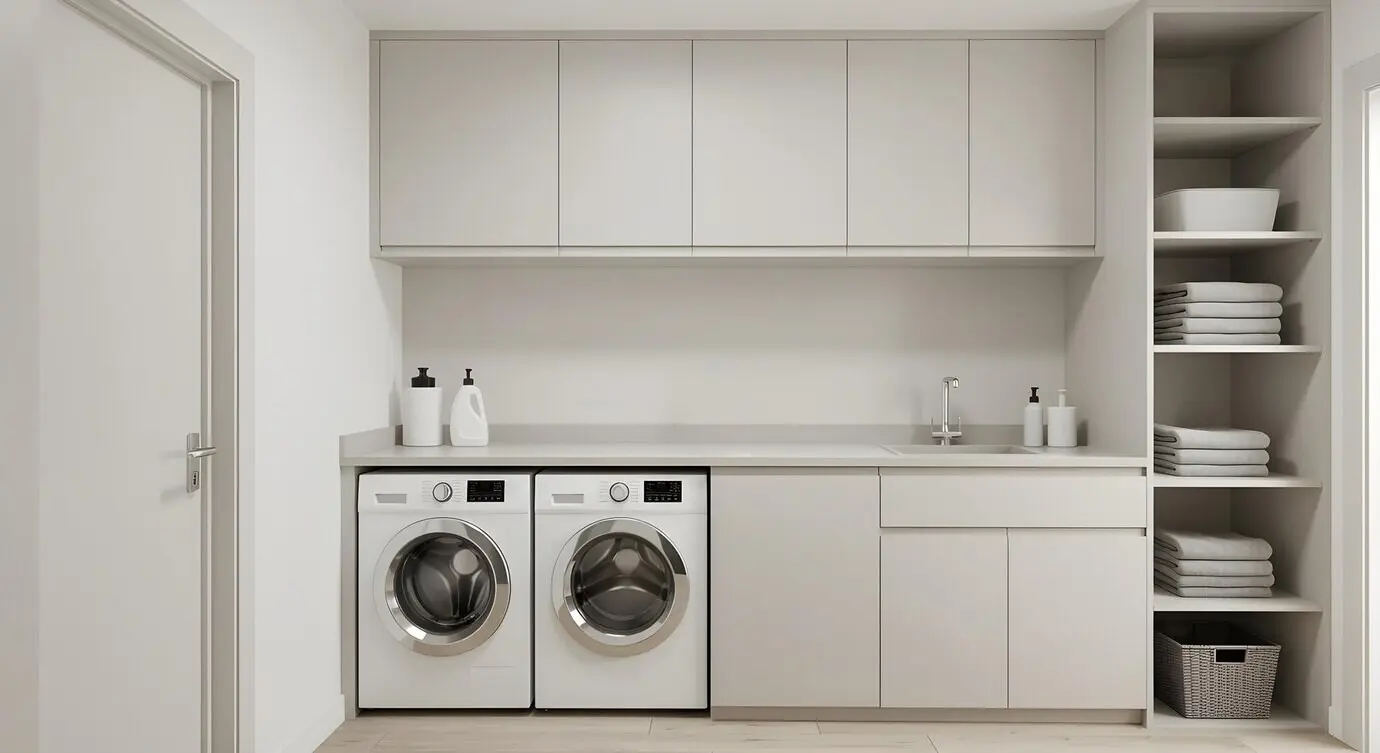
Edges are thirsty. Seal them with dedicated MDF sealer or a thinned shellac-based primer, sand smooth, then apply a high-build primer to flatten fibers. For topcoats, durable enamel or cabinet-grade acrylics resist fingerprints. Spray gives the smoothest results, but careful rolling and tipping works, too. Sand lightly between coats, and caulk seams sparingly to avoid telegraphing movement through glossy finishes later.

Enhancing Plywood with Clear Finishes
Choose panels with attractive face veneers if you plan a clear coat. Sand to a consistent grit, avoid over-sanding thin veneers, and apply waterborne polyurethane for durability without ambering. A toner or dye evens color across mismatched sheets. Edge-band with matching species to hide plies. Pre-finished plywood simplifies interiors: assemble, touch up edges, and protect high-wear zones with a final, compatible coat.
Laminates, Melamine, and Hybrid Solutions
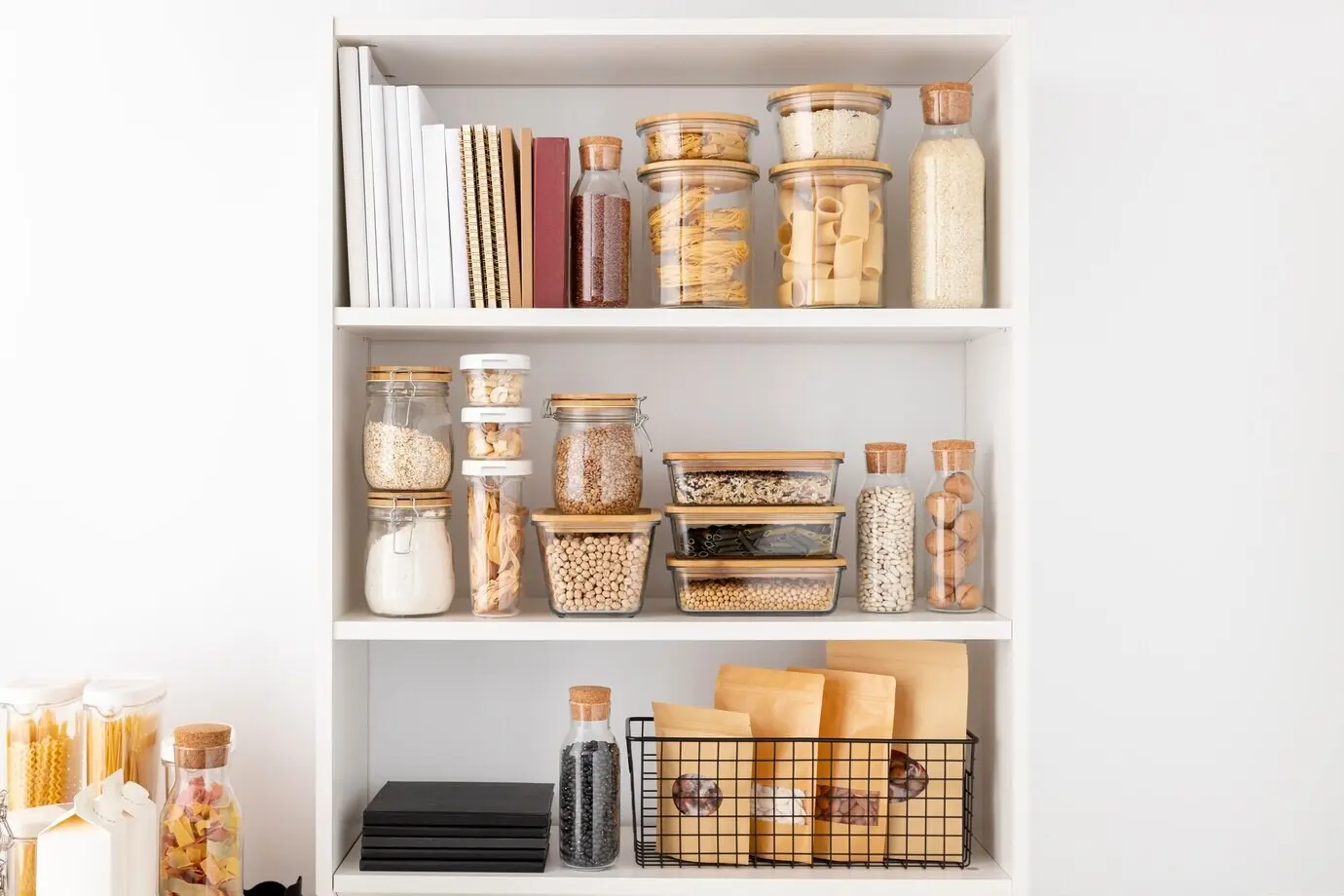
Plastic laminate over plywood or MDF yields exceptionally tough worktops and shelves. Melamine-faced boards provide clean interiors that wipe down easily, perfect for pantries. Use iron-on or PVC edge-banding to seal edges and withstand abrasion. Pair painted exteriors with laminated interiors for cost and durability balance. Contact cement demands careful alignment; a helper and spacers prevent misplacement during layup over large surfaces.
Real-World Cost Breakdown and Sourcing

Reading the Sheet and the Receipt
Labels hide essential details: core type, thickness tolerance, and face veneer species. A slightly pricier panel with true thickness may save time and fasteners. Calculate yield based on actual cabinet parts, not guesses, and remember kerf losses. Ask about cut services; some suppliers provide precise rips that fit into compact cars. Track costs per cabinet box to compare designs honestly.
Big-Box Convenience vs. Local Lumberyards
Big-box stores offer easy returns and late hours, but sheet flatness and core consistency vary. Lumberyards deliver better grading, special orders, and sometimes prefinished stock that saves finishing time. Call ahead for availability, and inspect edges for voids. Build relationships; repeat customers often get better pricing and advice. When timelines are tight, a reliable yard can prevent costly do-overs.
Salvaged, Reclaimed, and Recycled Options
Habitat ReStore, liquidation centers, and classifieds can yield drawer boxes, hinges, and even full sheets. Clean and square salvaged parts, then adapt them into new carcasses. Old solid-core doors become stout shelves when ripped and edged. Verify for lead paint or unknown coatings before sanding. With patience, reclaimed materials add character, reduce costs, and lighten environmental impact without sacrificing function.
Build Techniques That Save Money and Time
{{SECTION_SUBTITLE}}

Modular Carcasses and Scribe Strategy
Break large built-ins into manageable modules that pass through doors and around corners. Add wide scribe strips to side panels, then trim them on-site to follow wavy walls. Level the base platform first; everything above gets easier. Pocket-screw face frames later for perfect reveals. This approach minimizes filler pieces, accelerates installs, and keeps seams aligned even when floors and walls wander.

Edge Treatments on a Budget
Iron-on edge-banding offers speed; PVC or wood species banding brings durability. Trim flush with a sharp chisel or edge trimmer, then ease corners with fine sandpaper. For ultra-strong edges, glue on hardwood lippings that double as anti-sag rails. Paint-grade builds can use poplar strips, while clear-finished projects benefit from carefully matched species for a seamless, furniture-quality look.
Sustainability and Indoor Air Quality
Responsible choices can still be affordable. Select low-VOC finishes, look for CARB2 or TSCA Title VI compliance, and prefer waterborne topcoats in living spaces. Consider FSC-certified plywood when budgets allow, balance material efficiency with durability, and design for repair over replacement. Thoughtful choices keep rooms healthier, projects greener, and costs grounded in long-term value rather than short-term shortcuts.

Case Studies and Community Inspirations
Seeing real projects turns ideas into action. These stories show what worked, what failed, and how small adjustments changed everything. Use them as springboards, then share your photos, sketches, and lessons. Ask questions in the comments, subscribe for build plans, and help fellow readers avoid costly mistakes. Together, we can elevate budget materials into confident, durable, and beautiful built-ins.
All Rights Reserved.