
Prefab Cabinets vs. Custom Built-Ins: What Your Budget Really Buys

Today we dive into a practical, dollars-and-sense cost comparison between prefab cabinets and custom built-ins, showing how pricing actually accumulates, why quotes vary, and which trade-offs most affect your results. You will see how materials, labor, finishes, hardware, and installation influence value, and how to match expectations with realistic budgets so you spend where returns are real, not just shiny. Share your space, constraints, and goals in the comments so we can help you plan smarter.

Price Breakdown from Materials to Installation

Understanding costs begins with a transparent view of every line item. Cabinets are not just boxes and doors; there are sheet goods, joinery methods, hardware, finish systems, delivery, installation, and prep work. Prefab pricing can look lean until you add modifications and fillers, while custom numbers often consolidate details you might overlook. We will unpack the share of materials versus labor so you can see what you’re really buying and how quality choices change long-term value.

Materials and Hardware Costs

Prefab boxes commonly use particleboard or budget plywood with standard hinges and slides, keeping sticker prices appealing. Custom shops often spec furniture-grade plywood, solid wood fronts, dovetail drawers, and soft-close hardware as baseline, increasing upfront cost but elevating durability. Expect prefab cabinet-only costs from roughly $100–$300 per linear foot, while custom can range $500–$1,200+, before specialty finishes. Choosing better hinges, under-mount slides, and adjustable shelves significantly affects both feel and lifespan.

Labor, Shop Time, and Site Work

Labor is where custom builds often surge: skilled fabrication, precise scribing to uneven walls, and hand-fitted trim require time. Installation for prefab can be faster but may demand fillers, panels, or shims to bridge gaps, which adds hours. Custom includes exact sizing, integrated moldings, and complex corner solutions that reduce awkward seams and onsite improvisation. When comparing bids, ask whether leveling, scribing, filler fabrication, and door adjustments are included or billed as additional time.


Total Project Scenarios at Different Budgets

Numbers feel real when anchored to scenarios. Here we outline typical ranges many homeowners encounter, emphasizing that regional labor rates, kitchen size, and complexity will shift totals. Prefab systems can transform a space on lean budgets, especially when layouts are straightforward. Custom shines when fit, integration, and distinctive features matter. These snapshots combine cabinets, standard hardware, typical installation, and basic trim, offering a sense of where your money lands, and how strategic compromises can protect function and style.
In tight budgets, prefab stock cabinets paired with simple pulls and basic installation can refresh rental units, studios, or small galley kitchens. Expect limited sizing, filler pieces, and minimal customization. You’ll likely keep existing appliance locations, avoid moving plumbing or electrical, and select off-the-shelf finishes. While durability may be modest, careful planning and accurate measurements prevent costly returns. This tier prioritizes quick turnaround and immediate usability rather than long-term bespoke performance or specialized storage solutions tailored to unusual layouts.
Midrange projects often mix semi-custom prefab lines—offering more sizes and upgraded hardware—with professional installation and thoughtful accessories like pull-out trash, spice racks, or tray dividers. You might integrate plywood upgrades, soft-close components, and painted or textured finishes. If the room has challenging corners, occasional custom filler panels or trim can refine the look. This range balances function, attractive finishes, and dependable durability. Strategic splurges on high-use cabinets and pantry organization can pay off daily, improving workflow and long-term satisfaction measurably.

Longevity, Resale Value, and Cost of Ownership

Durability and Lifespan Expectations

Prefab options range widely; some deliver excellent durability, others soften at exposed edges or struggle in high-humidity environments. Custom work typically leverages better substrates, precision joinery, and hard-wearing finishes, extending lifespan in busy households. Longevity also depends on installation quality—proper leveling, fasteners, and wall anchoring prevent stress that leads to sagging or misalignment. Ask for finish specifications, moisture resistance details, and warranty terms. Investing upfront can reduce long-run costs, especially in spaces where repeated door cycles and heavy drawers are daily realities.

Maintenance, Repairs, and Upgrades

Over time, you may need to adjust hinges, replace a slide, or touch up finish near the sink. Prefab lines with readily available parts simplify fixes, but color continuity can vary between production runs. Custom shops may color-match and repair seamlessly, though scheduling the craftsperson can take time. Consider modularity: the ability to replace a single door or drawer front without visible mismatch protects appearance. Keep a labeled hardware kit and spare touch-up materials to streamline quick repairs and maintain a tidy, reliable kitchen.

Appraisal and Buyer Perception

Well-fitted cabinetry influences how buyers perceive the entire home. In competitive markets, seamless built-ins, inset doors, and consistent reveals communicate attention to detail and lasting quality. Appraisers do not assign line items for cabinet brands, yet the overall condition, cohesion, and finish quality shape value indirectly. Strategic upgrades—soft-close hardware, deep drawers, and integrated storage—impress during showings. Whether prefab or custom, strong installation and thoughtful design choices can lift the home’s narrative, especially when paired with coordinated lighting, backsplashes, and resilient, easy-to-care-for countertops chosen carefully.

Lead Times and Scheduling

Stock cabinets may be available within days, though popular finishes sell out. Semi-custom lead times often run four to eight weeks, while custom may require eight to twelve or more, especially for complex finishes. Align cabinet delivery with rough-in completion, drywall cure times, and flooring installation to avoid damage. Ask vendors for confirmed ship windows, site protection plans, and update cadence. Clear sequencing reduces costly idle time, protects finished surfaces, and keeps countertop templating from shifting into peak scheduling periods where trades are scarce.

Change Orders and Unforeseen Conditions

Older homes hide surprises: uneven studs, plumbing discovered behind a planned pantry, or an out-of-square alcove. Prefab solutions may need fillers or redesigns, while custom can reshape dimensions to fit reality. Either way, changes add time and money. Protect your budget by including a contingency and insisting on a site check before final order. Document scope clearly, including trim profiles, toe-kick style, and crown heights. When everyone shares drawings and photos, surprises are manageable bumps rather than derailing crises that exhaust patience and funds.

Living Through Renovation

A renovation disrupts routines, so plan a temporary kitchen station with a microwave, hot plate, and water access. Dust barriers, floor protection, and daily cleanup reduce stress and prevent damage that leads to extra costs. Prefab’s speed can shorten the inconvenience window; custom’s precision can prevent rework and callbacks. Communicate start times, access, and noise expectations with your crew. A clear plan for kids, pets, and deliveries keeps the household functional, turning a daunting period into a manageable transition toward a more efficient, joyful kitchen.

Design Flexibility and Space Efficiency
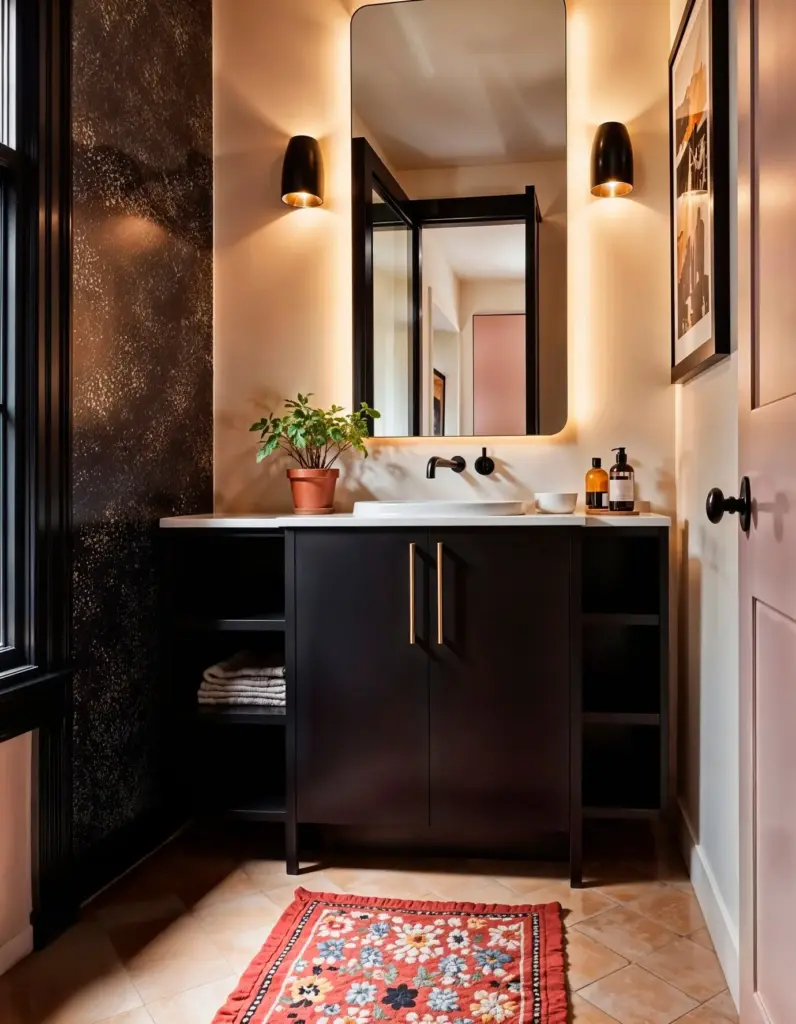
Fitting Odd Corners and Unforgiving Walls
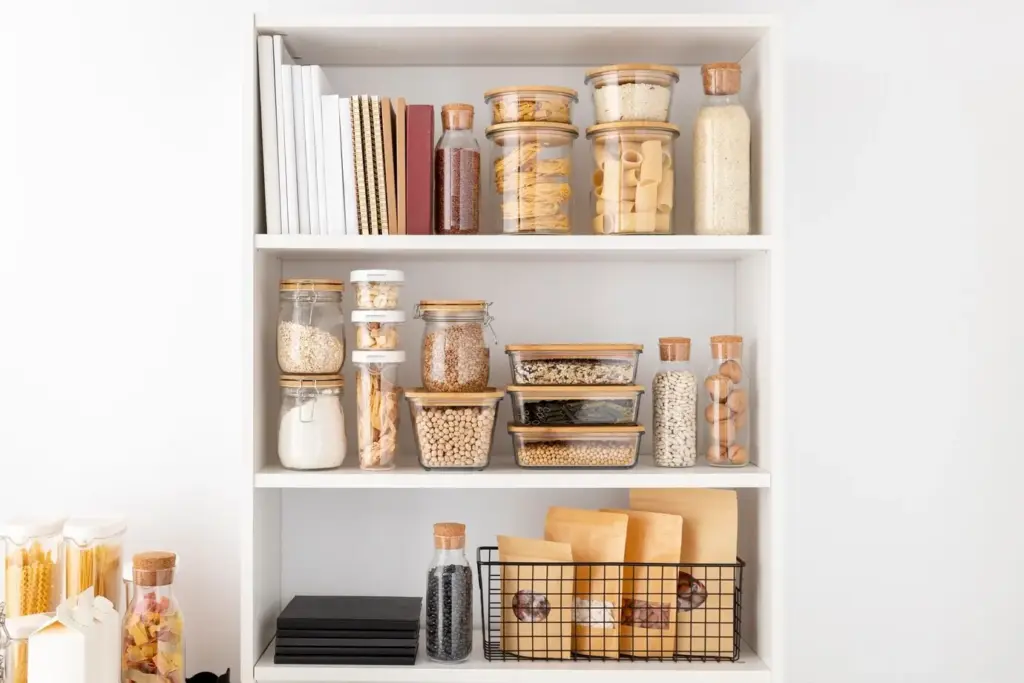
Homes rarely offer perfect rectangles. Prefab systems require compromise through fillers or dead zones, which may be acceptable in secondary spaces. Custom can scribe panels tightly, build asymmetrical cabinets for wonky walls, and align reveals precisely around windows and appliances. That precision translates into a polished look that feels effortless. Before deciding, map problem areas with laser measurements and photos. If challenges are concentrated in one zone, a hybrid approach—custom there, prefab elsewhere—can deliver elegance without overextending the budget across the entire project unnecessarily.

Storage Capacity Per Dollar Spent

Storage is measurable: number of linear feet, usable shelf area, and accessible drawer volume. Prefab often offers excellent cost-to-capacity ratios in simple runs, especially with tall pantry units and wide drawers. Custom optimizes every inch, leveraging toe-kick drawers, tailored tray slots, and corner pull-outs that convert awkward space into daily utility. Evaluate not only capacity but reachability and ergonomic flow. If you batch cook or store heavy cast iron, deeper drawers with strong slides may save time and strain, paying dividends every single week.

Aesthetics, Craft, and Personalization

Visual coherence elevates any kitchen. Prefab offers coordinated door styles and finishes, yet may struggle to perfectly align reveals across irregular rooms. Custom provides exact margins, matched grain across panels, and specialty profiles that reflect architectural context. Your choices—paint sheen, stile widths, or inset construction—shape mood dramatically. Personalization extends to interior organization, charging drawers, and integrated lighting. Whether you love modern slab doors or classic beaded frames, prioritize details that you will touch daily; their subtle quality compounds into everyday delight and lasting pride.

Choose Prefab When These Signs Appear

Your layout is standard, timelines are tight, and funds must stretch across appliances and countertops. You value clean, reliable basics over one-of-a-kind details. You can live with filler panels and set sizes. You prefer finishes you can see on showroom floors and replace easily later. You are refreshing a rental or starter home where speed and simplicity matter. Prefab empowers sound upgrades without paralysis, allowing you to focus on workflow, lighting, and hardware choices that punch above their weight effectively and affordably.

Choose Custom When These Priorities Matter

You face irregular walls, want uninterrupted reveals, or need bespoke solutions like banquettes, appliance garages, or built-in bookcases that continue a design language into adjacent rooms. You plan to stay long-term and value tactile delight and enduring finishes. You want specific drawer depths, exact shelf spacing, and unique profiles aligned with architecture. You accept longer lead times for lasting cohesion. Custom transforms difficult spaces into seamless experiences, letting cabinets disappear into the room’s geometry and elevating daily rituals into something quietly graceful and enduring.

Hybrid Strategies That Stretch Your Budget

Blend prefab perimeter runs with custom islands, hoods, or tricky alcoves to capture precision where it matters most while maintaining reasonable costs. Upgrade hardware universally—soft-close, full-extension slides—so everything feels premium in use. Paint color-matches can unify mixed sources. Commission a custom filler pull-out or toe-kick drawer to rescue odd inches. Let the island carry architectural detail while wall runs stay simple. Share your layout, dimensions, and pain points in the comments, and we will sketch budget-conscious combinations that deliver outsized performance.

Xalinevofiferezexovi
Privacy Overview

This website uses cookies so that we can provide you with the best user experience possible. Cookie information is stored in your browser and performs functions such as recognising you when you return to our website and helping our team to understand which sections of the website you find most interesting and useful.