
Clever Built-Ins on a Shoestring Budget
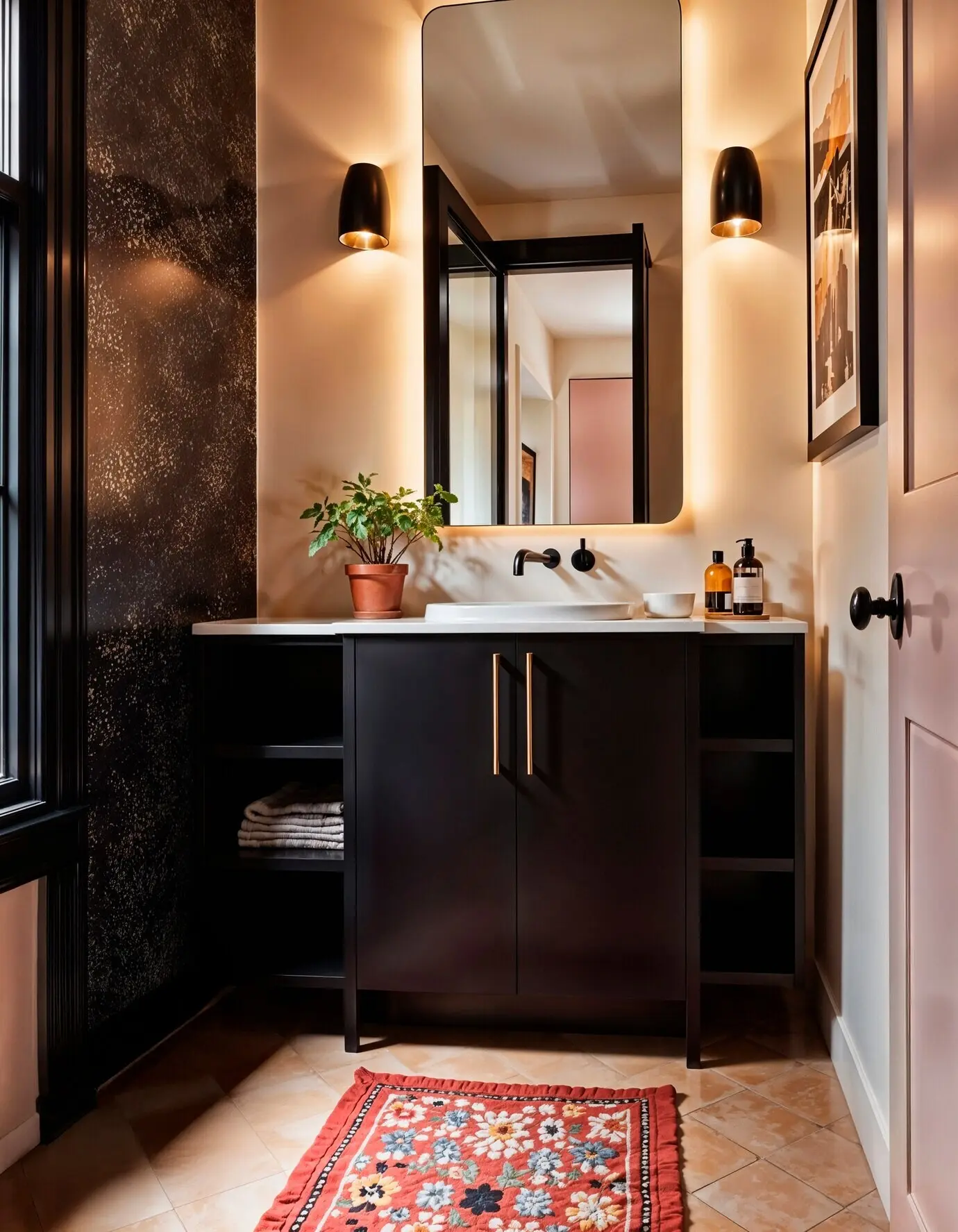
Today we dive into DIY built-in storage solutions under $500, proving that smart planning, modest tools, and clever material choices can deliver a custom look without the custom invoice. Expect practical budgets, real stories, and step-by-step ideas you can start this weekend, plus friendly reminders to share photos and lessons learned with our community.
Plan Like a Pro, Spend Like a Minimalist
Stretch every dollar by defining scope, measuring honestly, and aligning expectations with what five hundred can truly cover. We will map costs for materials, fasteners, finishes, and incidental supplies, then add a small contingency that protects momentum. You will learn to compare buy versus build, schedule around delivery lead times, and politely bargain at the lumber desk. Share your own budgets and tweaks in the comments so others can refine plans with real numbers.
Materials That Look Custom Without the Custom Price
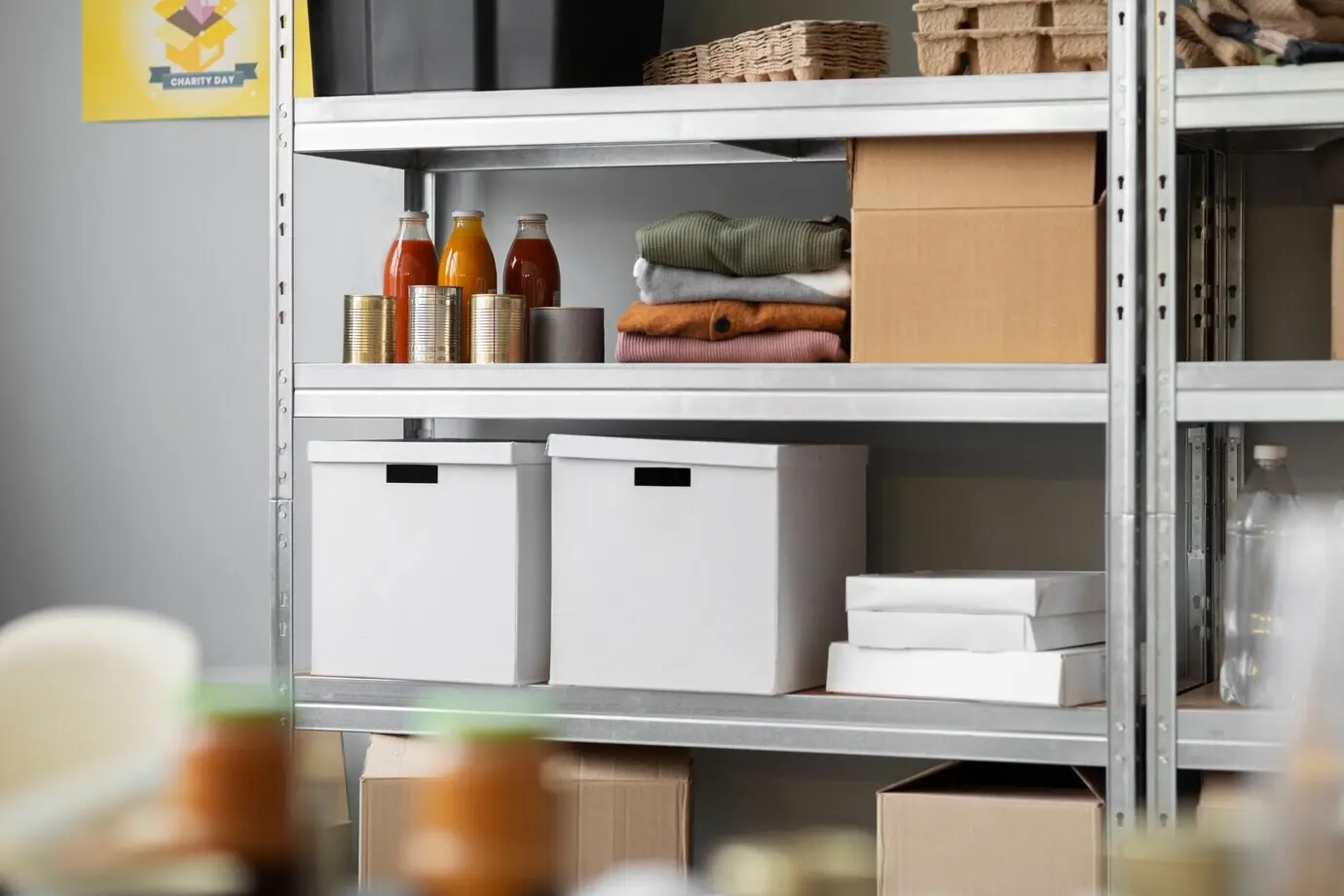
Choosing the right materials determines how convincingly your project blends into the architecture while staying within five hundred dollars. We will compare plywood, MDF, and pine for structure and finish quality, suggest where to splurge or save, and show salvage strategies that look intentional, polished, and long lasting.
Plywood vs. MDF for Carcasses and Shelves
Consider furniture grade plywood for boxes that must hold heavy books, and MDF for smooth paintable faces when humidity is controlled. Mix pine face frames with plywood shelves, and reinforce edges with iron on veneer tape to hide layers without expensive hardwood lipping.
Repurpose RTA Cabinets and Trim for Built-Ins
Ready to assemble bases or wall cabinets can become convincing built ins when you scribe filler strips, add a continuous toe or platform, and wrap everything in matching trim. Clearance sections often cost a fraction, freeing funds for quality primer, hinges, and handles that feel substantial.

Tools and Techniques That Maximize Precision
Precision does not require exotic equipment. A straight edge, a reliable circular saw with a guide, and a sharp chisel can outperform neglected shop machinery. We will outline safe cuts, clean joinery, and repeatable setups that reduce waste, speed progress, and protect that crucial budget cushion.

Essential Tools You Actually Need
Own or borrow a circular saw, drill driver, pocket hole jig, sander, and stud finder before considering specialty tools. Add a few clamps and a square. With careful layout and patient sanding, these basics yield confident results that stand beside boutique shop builds with pride.

Pocket Holes, Cleats, and Simple Joinery
Pocket holes speed assembly where seams will be hidden, while wall cleats transfer loads safely into studs. Combine glue with mechanical fasteners for creep resistance. Dry fit every cabinet, label pieces, and pre drill to prevent tear out, especially when working with MDF edges.
Design Details That Sell the Illusion
Convincing built ins rely on quiet details that read as part of the house: continuous lines, proportionate reveals, and crisp transitions. We will show how to cheat gaps, align faces, and use simple trim to create shadows and depth that elevate the entire wall.
Finishes That Elevate Everything
A thoughtful finishing process transforms humble materials into furniture grade statements while keeping spending comfortable. We will cover sanding grits, primers that block tannins, and paint systems that level beautifully. Expect tips for touch ups, child friendly durability, and color choices that make compact rooms feel generous.
Prime, Sand, and Paint for a Furniture-Grade Look
Break the work into stages: fill, sand, prime, inspect under raking light, sand again, and apply two thin finish coats. A small foam roller and angled brush can achieve a sprayed look with patience. Label cans and keep a touch up jar for dings.
Color Choices and Sheen for Durability
Light colors bounce illumination and hide dust, while satin sheens resist fingerprints without feeling plasticky. Consider a slightly darker back panel to emphasize depth, or a matching wall color that lets favorite objects shine. Test swatches morning and evening, and trust daylight more than bulbs.
Hardware Placement and Soft-Close Upgrades
Center handles using consistent reveals, and use a cardboard template for repeatable drilling. Soft close hinges on the most used doors deliver daily delight for a small premium. Add discreet felt pads under bench lids to eliminate squeaks and protect paint from compression marks.
Proven Layouts Under $500
Here are real layouts assembled for less than five hundred, using off the shelf parts, thrifted finds, and thoughtful trim. Each example lists a price breakdown, sizing notes, and finishing steps. Share your results and cost variations so we can build a living library of ideas together.

All Rights Reserved.